A carta é assinada por organizações, como o Instituto Ethos e o Instituto GESC, que se uniram pelo enfrentamento das crises sanitária, econômica e política que se abate sobre o país. Acesse aqui.

Em parceria com o grupo de pesquisa NEPAC (Núcleo de Pesquisa em Participação, Movimentos Sociais e Ação Coletiva), da Unicamp, foram coletados manifestos públicos escritos por distintos setores da sociedade civil no contexto da pandemia de Covid-19. Manifestos públicos são documentos construídos coletivamente e assinados, que expressam e dão publicidade ao posicionamento oficial de um conjunto de sujeitos face a determinado tema ou questão. Dessa forma, foram coletados notas, informes, cartas de repúdio, campanhas e demais documentos, que expressavam o desacordo com os rumos das políticas de enfrentamento da pandemia e das suas consequências sociais e econômicas e, em muitos casos, também sugeriam alternativas. Os critérios utilizados na seleção dos documentos foram: 1. Documentos “nacionais” ou “regionais” (foram descartados textos produzidos nos âmbitos estadual, municipal ou por comunidades/bairros, bem como os textos elaborados por uma única instituição regional ou municipal); 2. Documentos que são de proposição ou repúdio voltados a órgãos de Estado ou à sociedade em geral. 3. Não foram incluídos posts nas mídias sociais de um único indivíduo, mas sim documentos assinados por coletivos e/ou indivíduos organizados coletivamente; 4. A coleta não se restringiu apenas a movimentos sociais mais conhecidos, foram incluídas iniciativas inclusive fora do campo dos movimentos sociais para perceber proximidades e diferenças; 5. Não foram incluídas campanhas exclusivamente de solidariedade, nem cartilhas orientadoras. 6. Foram descartadas notas de médicos ou especialistas. O relatório, “Manifestos Públicos em Tempos de Covid-19”, por Ana Cláudia Teixeira e Adriana Pismel, da equipe do NEPAC está disponível aqui.

A carta é assinada por organizações, como o Instituto Ethos e o Instituto GESC, que se uniram pelo enfrentamento das crises sanitária, econômica e política que se abate sobre o país. Acesse aqui.

Para combater prejuízos da crise social e econômica causados pelo Covid-19, a Unisol Brasil e centenas de entidades publicaram o “Manifesto em Defesa do Programa de Aquisição de Alimentos e de Comida Saudável para o povo”. Confira aqui.

Algumas entidades, entre elas a AFD e a ANFIP, elaboraram uma carta aberta com um conjunto de propostas concretas de mudanças na tributação nacional com o propósito de apontar fontes de recursos para financiar medidas urgentes e necessárias para enfrentar os efeitos deletérios da pandemia. Acesse o documento completo aqui.

A CUFA (Central Única das Favelas) emitiu uma nota pública com medidas para reduzir os impactos da pandemia de Covid-19 nos territórios das favelas brasileiras. Confira o documento aqui.

O manifesto é assinado por mais de 50 entidades da sociedade civil e reafirma a importância do poder público no zelo à população, especialmente dos grupos mais vulneráveis, além do compromisso com os direitos humanos. Acesse aqui.
“Somos diferentes. Temos trajetórias pessoais e públicas variadas. Votamos em pessoas e partidos diversos. Defendemos causas, ideias e projetos distintos para nosso país, muitas vezes antagônicos. Mas temos em comum o compromisso com a democracia. Com a liberdade, a convivência plural e o respeito mútuo. E acreditamos no Brasil. Um Brasil formado por todos os seus cidadãos, ético, pacífico, dinâmico, livre de intolerância, preconceito e discriminação.” Acesse o manifesto completo aqui.

A Frente Fora Bolsonaro reúne diversas entidades da sociedade civil organizada em defesa do afastamento do Presidente da República. Confira o site do movimento e o manifesto “Impeachment Já”, que será entregue ao presidente da Câmara dos Deputados, Rodrigo Maia (DEM-RJ), exigindo a abertura do processo de impedimento de Jair Bolsonaro (ex-PSL).

“Não temos condições de comprar álcool em gel e arcar com a alimentação na rua em meio a essa crise do coronavírus. Precisamos que as empresas de aplicativos se posicionem e tomem providências para que a gente esteja mais protegido. Precisamos de distribuição urgente de álcool em gel para todos os entregadores e também de alimentação. Não dá para trabalhar com fome! Para nossa prevenção, é necessária a distribuição de álcool em gel, já que entramos em contato com muitas pessoas por dia fazendo as entregas.” Acesse o abaixo-assinado aqui.

Um manifesto, assinado por mais de 500 agentes de segurança, entre policiais militares, civis e federais, além de bombeiros militares foi divulgado com o pedido de democracia e contrário ao fascismo e à repressão contra a sociedade civil. Baixe o documento aqui.

A plataforma foi elaborada por movimentos sociais, sindicatos e entidades organizadas em torno da agricultura familiar, da reforma agrária, dos povos e comunidades tradicionais, da agroecologia e da soberania alimentar para apresentar à sociedade brasileira um conjunto de propostas emergenciais para lidar com os efeitos da pandemia do novo coronavírus. A ação é voltada à população do campo, das florestas e das águas, tem como objetivo recuperar a capacidade produtiva e retomar uma política de abastecimento para reconstruir os estoques de alimentos e enfrentar a ameaça de agravamento da fome que se anuncia diante da crise na saúde e economia, devido à Covid-19. Acesse aqui.

Organizações da sociedade civil lançaram a campanha “Eleições Seguras – Democracia é atividade essencial”. O objetivo é pedir que a votação para eleger prefeitos e vereadores ocorra ainda este ano, de modo a evitar que os mandatos atuais sejam prorrogados. As entidades envolvidas acreditam que a possibilidade de adiar o pleito para o ano que vem possa abrir “precedentes absolutamente indesejáveis para o funcionamento do nosso regime democrático”. Acesse aqui para mais informações.
“Com a finalidade de garantir à Procuradoria-Geral da República a efetiva independência indispensável ao exercício da missão constitucional do MPF, é necessário fazer um debate amplo, público e aberto sobre a institucionalização, mediante inclusão no texto constitucional, da regra de que o(a) Procurador(a)-Geral da República seja escolhido pelo(a) Presidente da República com base em lista tríplice escolhida pelos membros da instituição, a exemplo do que acontece com o(a) Procurador(a)-Geral de Justiça no Distrito Federal e nos 26 (vinte e seis) estados da Federação.” Baixe o documento aqui.

O Colégio de Presidentes de Tribunais de Justiça do Brasil (Codepre) emitiu ofício em apoio ao Supremo Tribunal Federal. O documento ressalta que “(o STF) em seus 129 anos de história, vem prestando imensuráveis serviços à sociedade brasileira, firmando- se como instituição indispensável à garantia dos direitos dos cidadãos, ao Estado Democrático de Direito e à consolidação da democracia”. Confira o documento na íntegra.
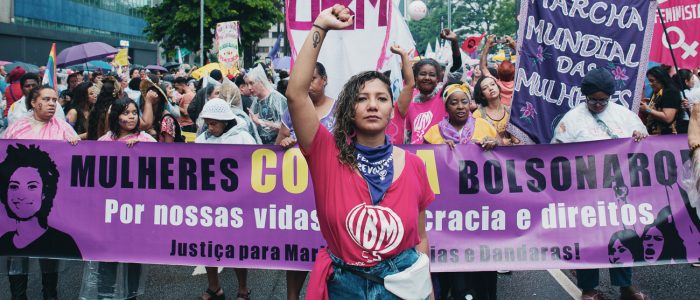
O Manifesto chama a atenção para a política errada do governo no combate ao coronavírus, para o genocídio de jovens negros, aumento das desigualdades e empobrecimento da população. “Lutamos pelo fim da escravidão e do fascismo, contra a ditadura militar e pela democracia. Exigimos resposta sobre Quem Mandou Matar Marielle e vamos derrubar Bolsonaro e Mourão!”, destaca o documento. Acesse o manifesto na íntegra.

“Nós, população negra organizada, mulheres negras, pessoas faveladas, periféricas, LGBTQIA+, que professam religiões de matriz africana, quilombolas, pretos e pretas com distintas confissões de fé, povos do campo, das águas e da floresta, trabalhadores explorados, informais e desempregados, em Coalizão Negra por Direitos, viemos a público exigir a erradicação do racismo como prática genocida contra a população negra.” Continue a ler o manifesto aqui.

“Um manifesto assinado por 170 profissionais ligados ao direito, entre professores, advogados, procuradores, juízes e três ex-ministros da Justiça pede que as Forças Armadas respeitem a democracia e rejeita que elas tenham um suposto papel moderador.” Acesse o manifesto completo aqui.

Por uma dívida histórica quanto à incorporação dos direitos humanos na vida dos cidadãos e pelos riscos de retrocesso em conquistas celebradas na Constituição de 1988, um grupo de brasileiros decidiu constituir a Comissão de Defesa dos Direitos Humanos Dom Paulo Evaristo Arns.
São 20 personalidades do mundo político, juristas, acadêmicos, intelectuais, jornalistas e militantes sociais de distintas gerações, cujo denominador comum tem sido a permanente defesa dos direitos humanos. O grupo atua de forma voluntária, suprapartidária, ao lado de milhares de defensores de direitos humanos pelo país. Confira aqui.

Formado por atletas, ex-atletas, jornalistas esportivos, comentaristas e árbitros, o grupo Esporte pela Democracia lançou um manifesto em defesa dos direitos humanos, da liberdade de imprensa e da diversidade. Segundo os organizadores, o manifesto tem o objetivo de mostrar um posicionamento diante da pandemia da Covid-19, do desrespeito à Constituição e da banalização das vidas pretas. Acesse aqui.

O Pacto pela Democracia é uma iniciativa da sociedade civil brasileira voltada à defesa e ao aprimoramento da vida política e democrática no Brasil.
Trata-se de um espaço plural, apartidário e aberto a cidadãos, organizações e também atores políticos que compartilhem do compromisso de resgatar e aprofundar práticas e valores democráticos diante dos inúmeros desafios que temos enfrentado ao longo dos últimos anos no país. Acesse aqui.

Somos 70 por cento é um movimento criado durante uma live entre Eduardo Moreira e Roberto Requião no dia 30 de maio. 70% é significativo por vários motivos, um deles por representar a porcentagem de pessoas que são a favor das medidas de distanciamento social durante a pandemia. Acesse o site do movimento aqui.

A Coordenação das Organizações Indígenas da Amazônia Brasileira – COIAB, a maior organização regional indígena do Brasil e que abrange os nove estados da Amazônia brasileira, manifestou sua indignação e repúdio pela inclusão sorrateira do Artigo 13º no capítulo 4 do PL Nº 1142, de 2020, que trata do atendimento emergencial aos povos indígenas no contexto da pandemia de Covid-19. Acesse aqui.
Assinado por 70 entidades, entre elas a APU (Associação dos Profissionais Universitários da SABESP), o Manifesto apresenta a verdade sobre a prestação de serviços de saneamento no Brasil. Leia o manifesto completo aqui.
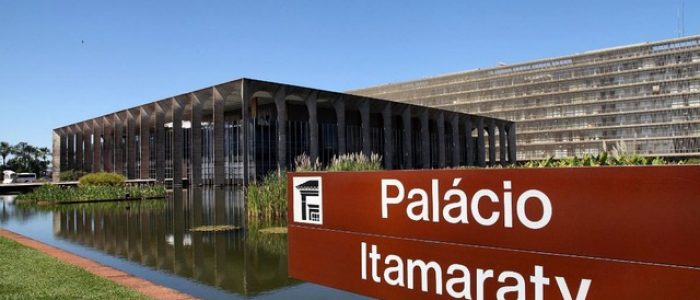
Através de uma carta pública, um grupo de pelo menos 115 diplomatas e funcionários do Itamaraty manifestaram preocupação em relação aos rumos da política brasileira e defenderam a realização de eleições diretas para a presidência da República. Acesse aqui.

“Somos cidadãs, cidadãos, empresas, organizações e instituições brasileiras e fazemos parte da maioria que defende a vida, a liberdade e a democracia.” Acesse o manifesto aqui.
“Quem valoriza e defende o Estado Democrático de Direito acompanha, a cada dia, a maneira como o país vai sendo empurrado para o abismo, com ameaças seguidas de golpe por parte de Bolsonaro. O que nos resta de democracia e de respeito constitucional está se esvaindo de forma veloz enquanto o fascismo avança.” Acesse o manifesto completo aqui.
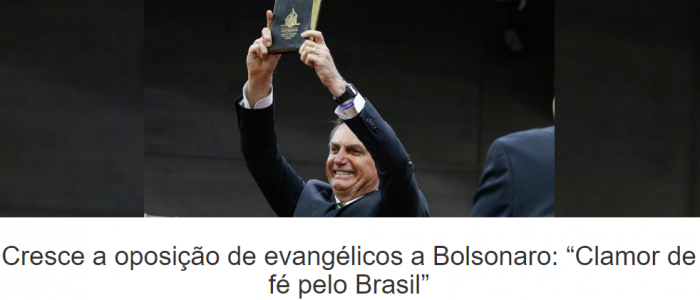
Organizações e movimentos evangélicos, aliados a centenas de pessoas vinculadas a igrejas deste segmento cristão assinaram o manifesto “O governante sem discernimento aumenta as opressões – Um clamor de fé pelo Brasil”. Acesse o manifesto completo aqui.

Os espíritas progressistas, movimento amplo, plural, suprapartidário, assinaram manifesto em favor da cassação da chapa Bolsonaro-Mourão. Veja aqui.

O Observatório Nacional de Justiça Socioambiental Luciano Mendes de Almeida (OLMA) emitiu uma nota pública em apoio a população quilombola frente à COVID-19. Confira aqui.

Petição encaminhada à Ministra do Supremo Tribunal Federal Rosa Weber, e assinada por diversas entidades, defende a suspensão imediata da Emenda Constitucional 95, ou, ao menos, a suspensão da redação dada aos artigos 107 e 110 do Ato das Disposições Constitucionais Transitórias. Baixe o documento na íntegra.

Dezenas de entidades se reuniram para elaborar 13 propostas de ações imediatas e estruturais para enfrentamento da pandemia de Covid-19, direcionadas prioritariamente para habitantes de territórios populares – nas periferias, nos assentamentos informais, nas ocupações – e também para a população em situação de rua e outros grupos sociais vulneráveis. Acesse aqui.


